You may be asking yourself, "What is guided photography?" Is it a tour? A photography class? A photographer who follows you around and takes pictures of you?
The short answer: guided photography is a trip planned around photography and led by a photographer who knows the area intimately. As your photography guide, I (Matt Stacy, founder of Andes Adventure Visuals) take care of three things:
- Where to shoot. I plan shooting locations that give you the best chance to learn photography skills and capture the landscapes and culture of Peru. That might be a set itinerary like the Maras workshop or a custom one built around your interests.
- When to shoot. I know the best times of day to shoot around Cusco and the Sacred Valley: when the light is best, how to adapt a composition to the weather, and how to avoid the crowds.
- The most compelling compositions. Depending on the trip you book, I either set up the shot for you or I'll teach you how to find it yourself.
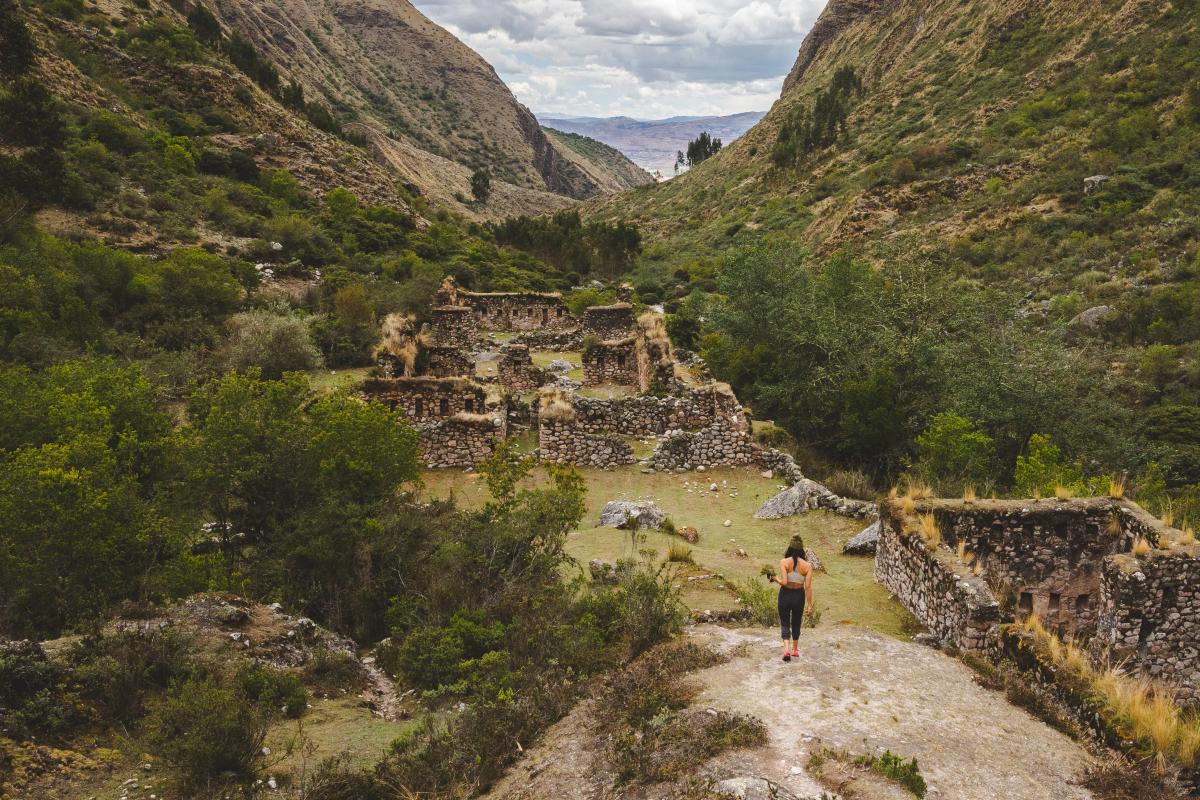
I lead guided photography from my home base in the Sacred Valley. Our trips will take us across the Cusco region from the nearby Urubamba mountain range to the Vilcanota and Vilcabamba mountain ranges. In this article you'll learn how guided photography works, where we shoot, who I am, and how to decide whether it's the right fit for your trip to Peru.
Many people ask whether I can build a custom trip around what they want to shoot. Yes, I can. If you would rather not learn photography skills and just capture spectacular images, you can take one of my workshop itineraries and run it as a tour.
Guided Photography vs. a Regular Tour in Cusco
A regular tour is built around a tight schedule that tries to cram as many sites into one day as possible. Operators pool strangers together, load everyone into a van, and drive around all day, giving you 30 minutes to an hour at each stop. It's rushed and impersonal, and you get back to your hotel drained.
Guided photography with AAV is built around two goals: taking great photos and learning photography in a few carefully chosen locations. Instead of being shepherded around with 15 strangers, you settle into each place and move with intention. On a standard Sacred Valley tour, you'd walk the Ollantaytambo or Pisac ruins mid-morning, shoulder to shoulder with other groups, rushed from spot to spot.
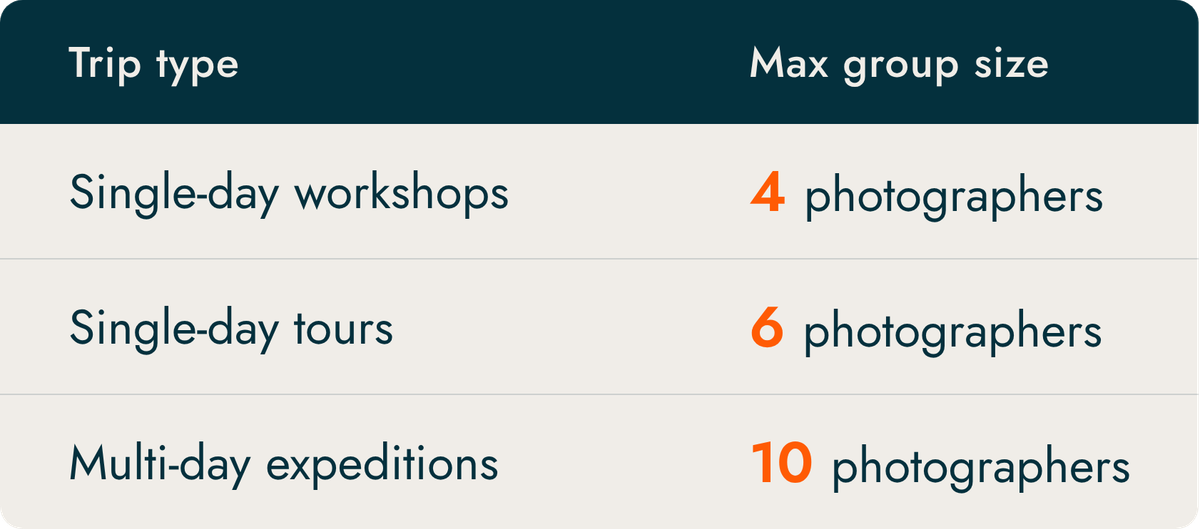
Group sizes are small on purpose, so you get personal, hands-on attention:
The other big difference is access. I've spent years exploring the Sacred Valley and the mountain ranges of the Cusco region and building relationships with the people who live there. That's why many of the places we photograph never show up on a typical tour itinerary.
Three Ways to Shoot With Matt: Workshops, Tours and Expeditions
There are three ways to do guided photography with me at Andes Adventure Visuals. The right one depends on one question: do you want to walk away with outstanding shots or with the skills to take better photos for the rest of your trip and every trip after it?
Here's how I'd put it to a friend: if you want to return home a better photographer, book a workshop. If you just want to return home with great, print-worthy photos, book a tour for a single day or an expedition for several days.
Photography Workshops: Hands-On Instruction in the Field
Photography workshops are about learning. They're single-day sessions in the Sacred Valley with a maximum of four participants. I don't just hand you the best shots. I teach you how to plan for the best light, build a strong composition, and edit your images, and then we review your work one-on-one. You finish with photos you composed yourself and skills you'll use on your next trip.
Workshops work for every level, whether you're shooting on a phone or a full-frame professional camera. Afterward, you get three months of access to a private online group where you can keep sharing your work and getting feedback from me. Browse the current photography workshops.
Photography Tours: We Shoot Together and I'll Handle the Where and When
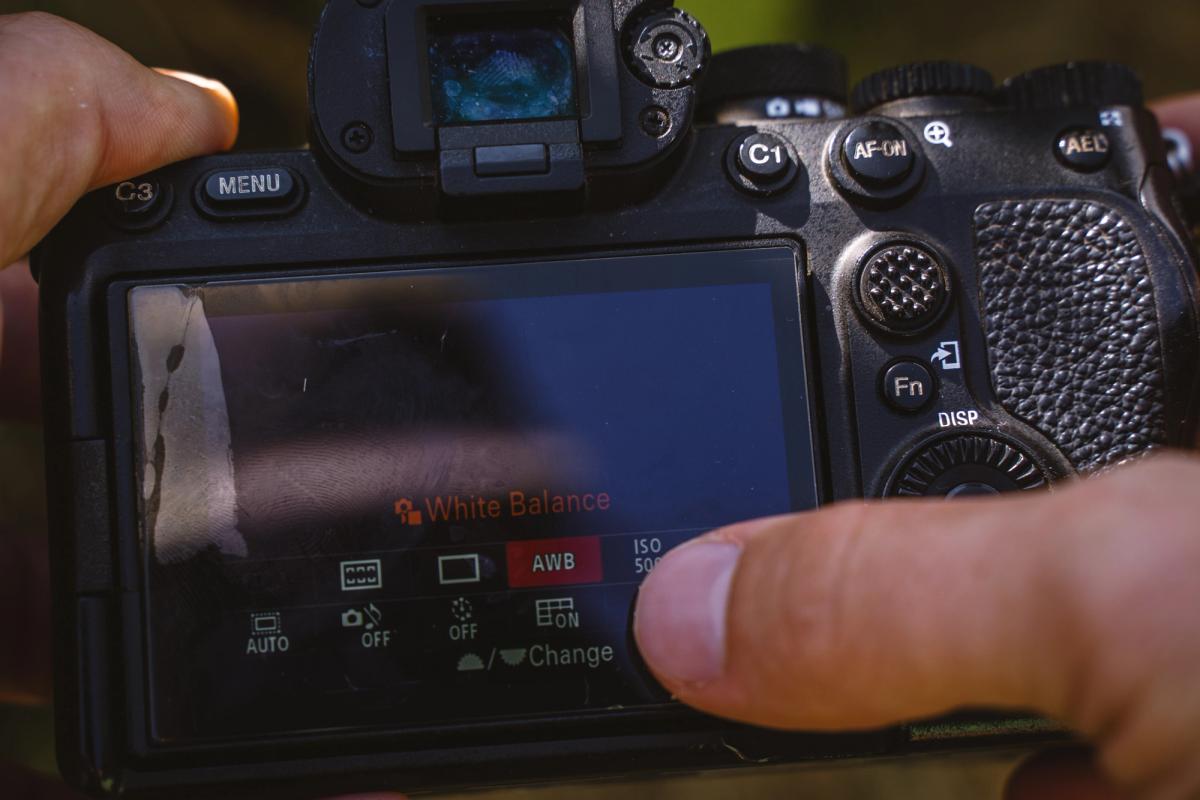
Photography tours are private, single-day outings for up to six people who want outstanding images without a lesson. I take you to the ideal locations at the right times, point out the strongest compositions, and help you get the shot. We don't spend the day on camera settings or editing theory unless you ask.
Tours are fully customizable. You can take one of my workshop itineraries, like Maras or Inti Punku, and run it as a tour. Alternatively, you can tell me what you want to photograph—whether it's Inca ruins at sunrise, portraits in a local market, or a mountain lake—and I will create a customized itinerary for the day. Tours suit experienced photographers, couples, and families who want one great day of shooting and travelers who'd rather immerse themselves in a couple of places. To plan one, send me a message with your dates and what you'd like to shoot.
Photography Expeditions: Multiple Days Shooting Together
Photography expeditions are multi-day trips where I bring you to the best shooting locations, show you the compositions, and make sure you return home with photos you'll want to print. I choose the routes, the camp locations, and each day's schedule, all built around exceptional photography. Expeditions are for photographers who want great images but lack the time to research and organize access to remote places on their own. Groups are capped at 10. See the current photography expeditions.
Whichever option you choose, please share your goals when you reach out.
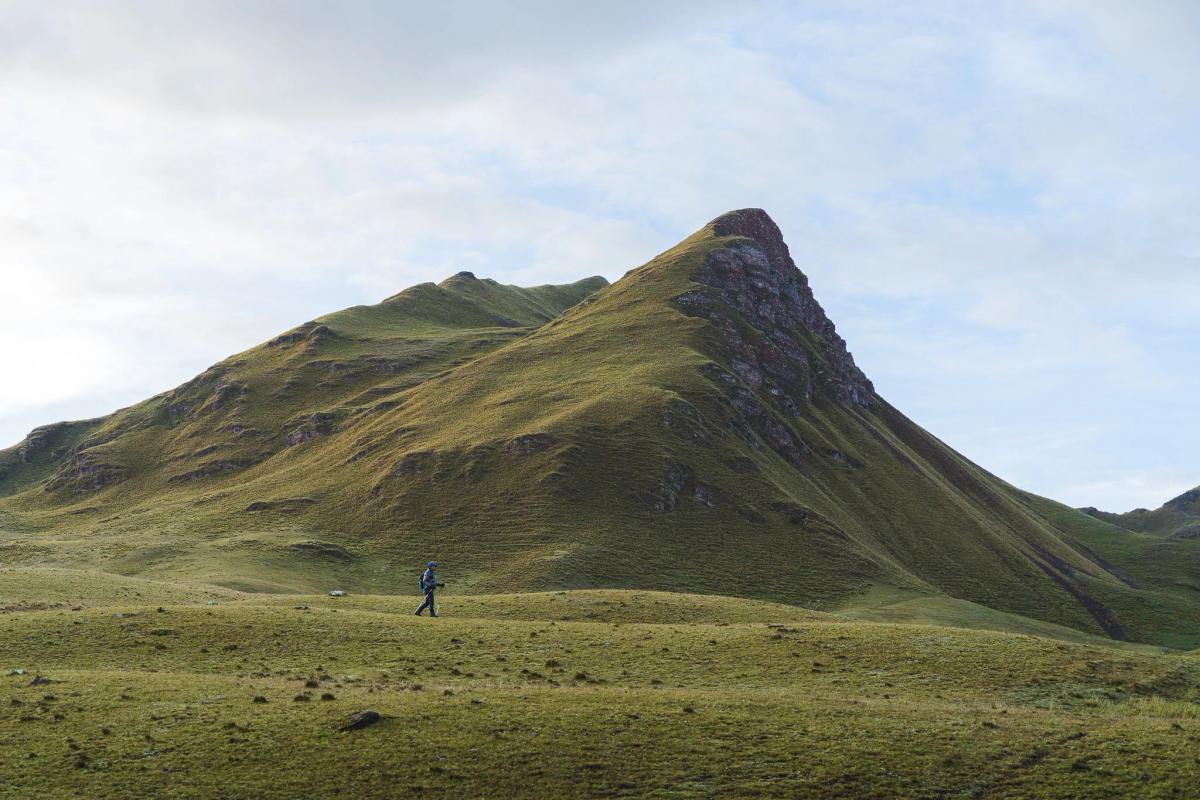
Guided Photography in Cusco and the Sacred Valley
Urubamba, in the Sacred Valley about an hour from Cusco, is my home base. Most of my single-day workshops and tours start from Urubamba. Here's an example of some places where we shoot and why.
Maras Salt Mines and the Pumahuanca Valley
The Maras workshop pairs two very different kinds of photography in one day.
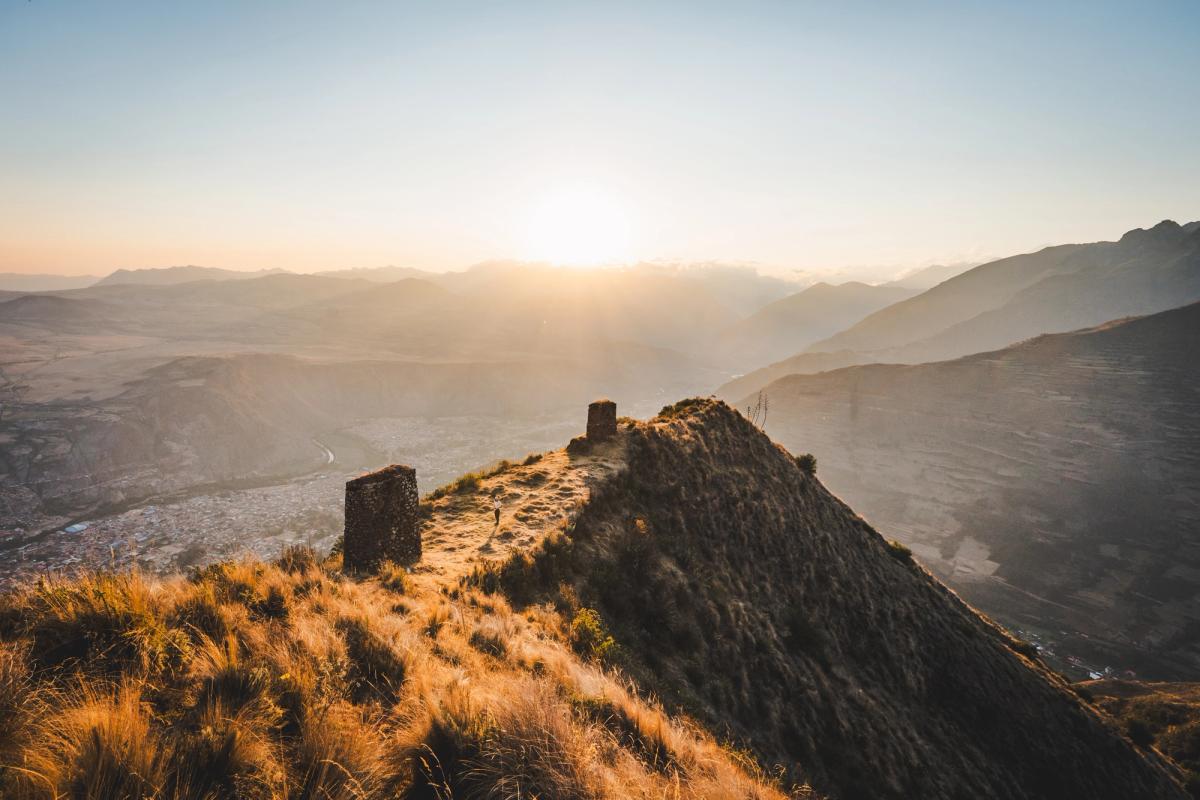
The morning is in the Pumahuanca Valley above Urubamba. We start hiking at 4:30 a.m. so we reach a set of Inca ruins while the light is still soft. It's a 6 km round trip with 400 meters of elevation gain, topping out around 3,600 meters. Along the way we capture landscapes, adventure-style shots with a person in the image, and the ruins themselves. We'll eat breakfast in the valley.
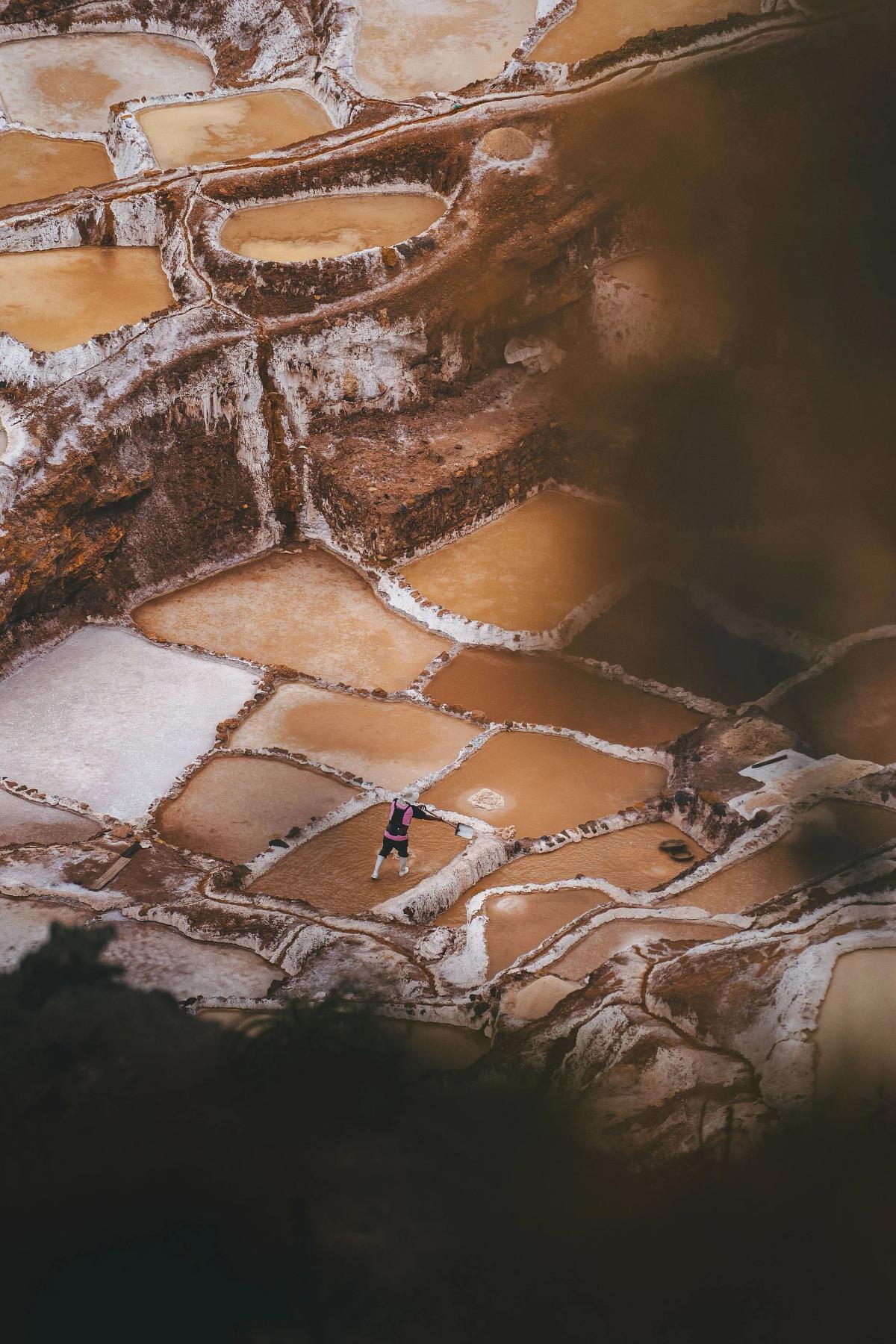
The afternoon is at the Maras salt mines: thousands of terraced salt pans stacked down a steep ravine above the Sacred Valley. The deeper story that we'll have the opportunity to capture here is the people who work the pans, and this is where we'll be able to practice intimate, respectful photography of the local community.
Inti Punku Above Ollantaytambo and the Urubamba Market
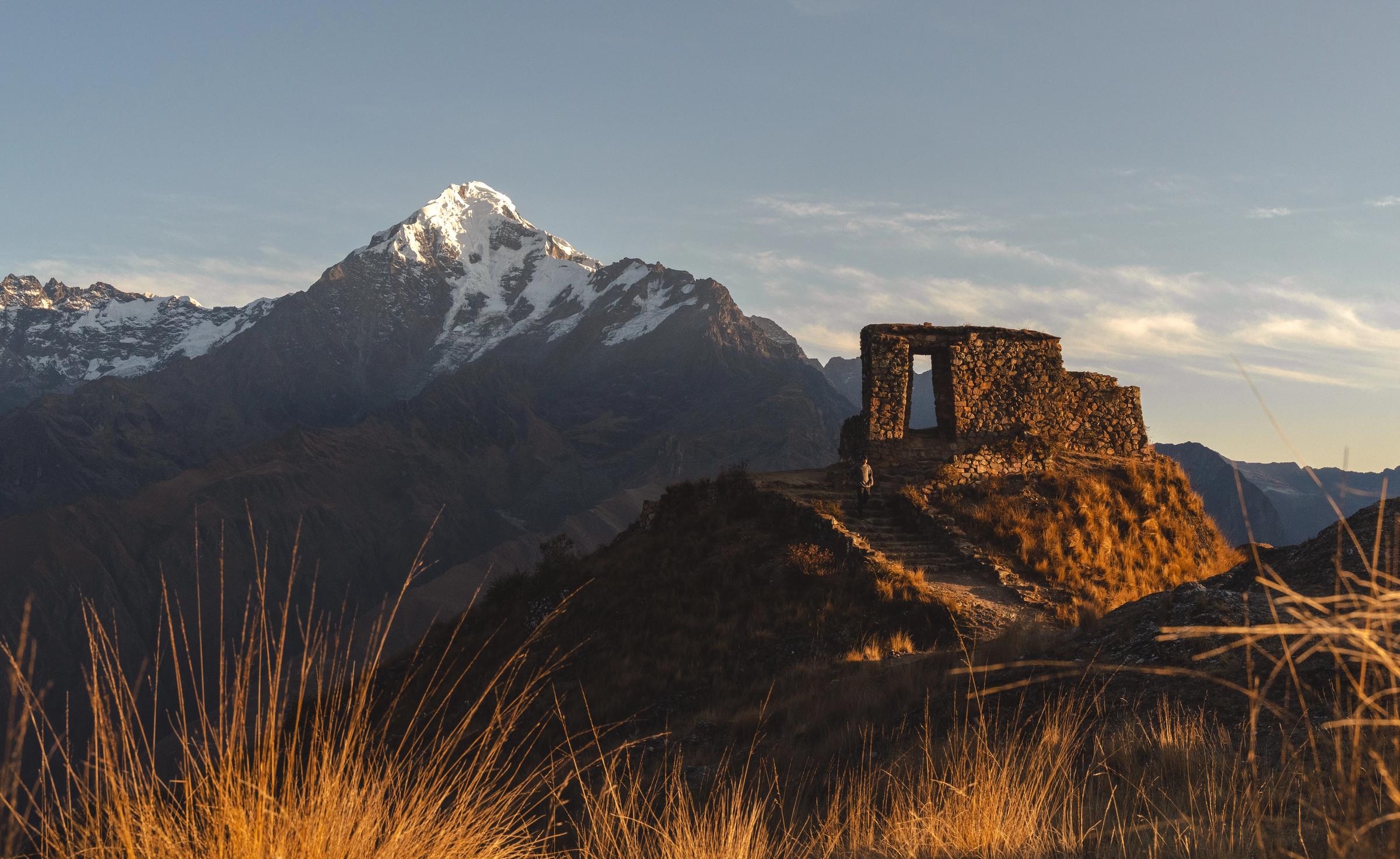
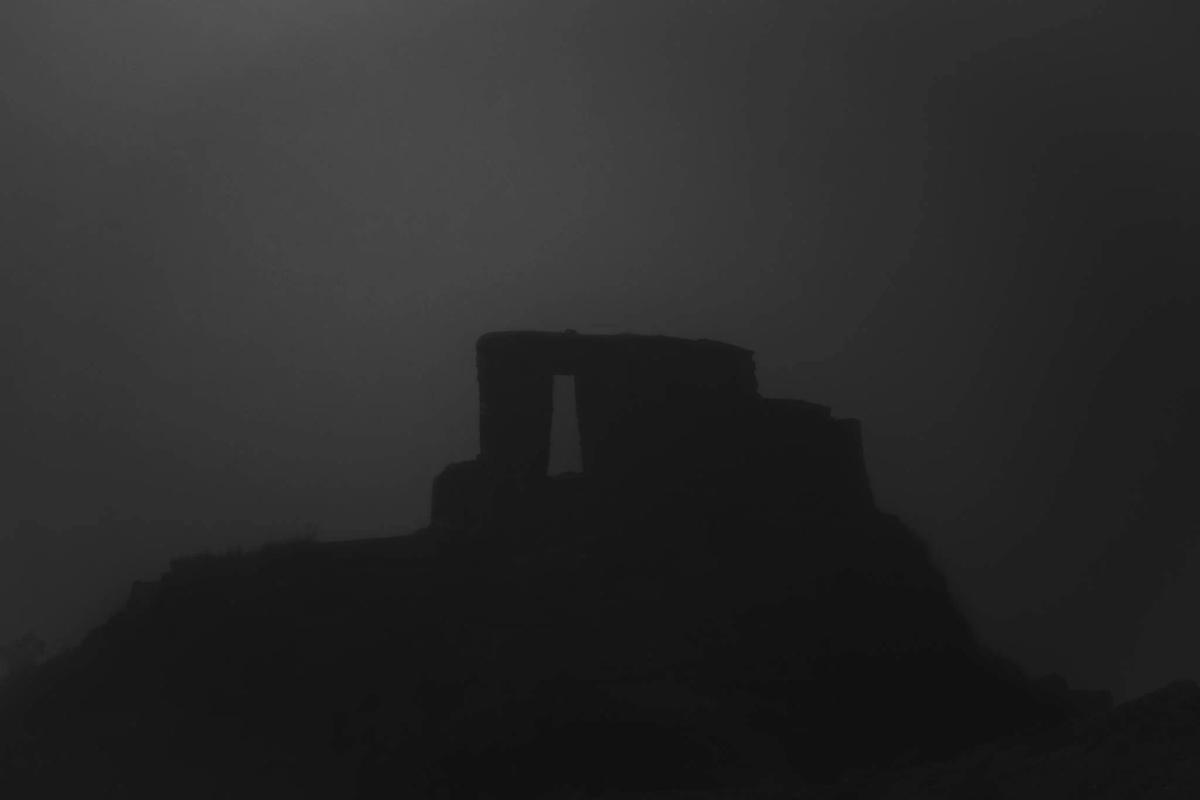
The Inti Punku workshop starts with sunrise at Inti Punku, the Inca "Sun Gate" on the ridge above Ollantaytambo. This location should not be confused with the Sun Gate at Machu Picchu. This location frames Nevado Verónica, a 5,911-meter sacred peak, through a stone doorway. It's one of the best views of Verónica in the Sacred Valley and one of the most rewarding photography hikes near Ollantaytambo.
It takes effort.
We leave Urubamba at 2:00 a.m. and start hiking at 2:15 a.m. to reach the gate for first light: 16 km round trip with about 1,100 meters of gain, topping out near 3,900 meters. The morning is all adventure and landscape photography, and you'll work on reading light, lens choice, and composition.
After lunch and an editing session, the afternoon moves to Urubamba's central market. It's full of color, produce, and vendors, and it's where we practice photographing people respectfully.
Ancascocha, Above the Sacred Valley
For photographers who want more than a day trip, the Ancascocha Photo Expedition is a four-day, three-night journey through the high, rolling hills above the Sacred Valley. Imagine broad grasslands, a jagged mountain range, and almost nobody else on the trail. It's coming in 2027.
The Ahobamba Valley to Machu Picchu
If I had to guess, probably 99% of hikers to Machu Picchu take the standard Salkantay trek and the Inca Trail. Most people capture the same scene that everyone else has, and very few people photograph it well. The same crowded trails and a limited number of viewpoints produce most images.
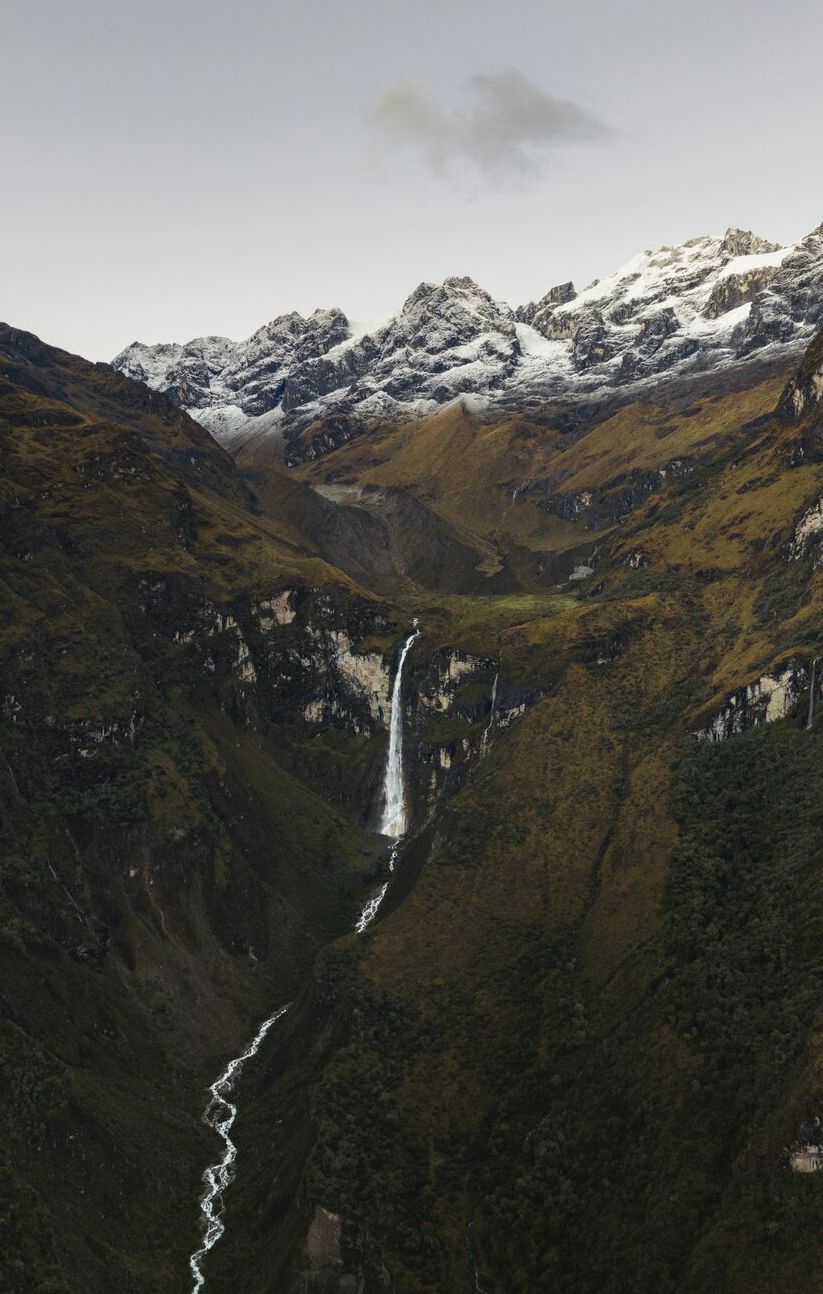
The Ahobamba Photo Expedition takes a route you've likely never heard of. Over six days, we start in the high alpine around 4,800 meters beneath Nevado Salkantay, cross two high passes, and descend into the Ahobamba Valley's cloud forest, with waterfalls, an Inca town, and a generations-old coffee farm along the way. The trail crosses through private land and is open to only a small number of people each year. We finish at Machu Picchu. If you'd rather do this trek without the focus on photography, the Ahobamba trek to Machu Picchu is my favorite route in Peru, and it's still full of photo opportunities, just without the same amount of time and photography guidance from Matt.
Beyond the Sacred Valley: The Cordillera Huayhuash
If you want a longer itinerary with bigger landscapes, more adventure photography, and more time to sharpen your skills, consider the Cordillera Huayhuash near Huaraz. The Huayhuash Photo Expedition is nine days on one of the most dramatic trekking circuits in the world: six glaciated 6,000-meter peaks, brilliant turquoise lakes, and camps positioned for sunrise and sunset. It's an advanced trip, and it's coming in 2027.
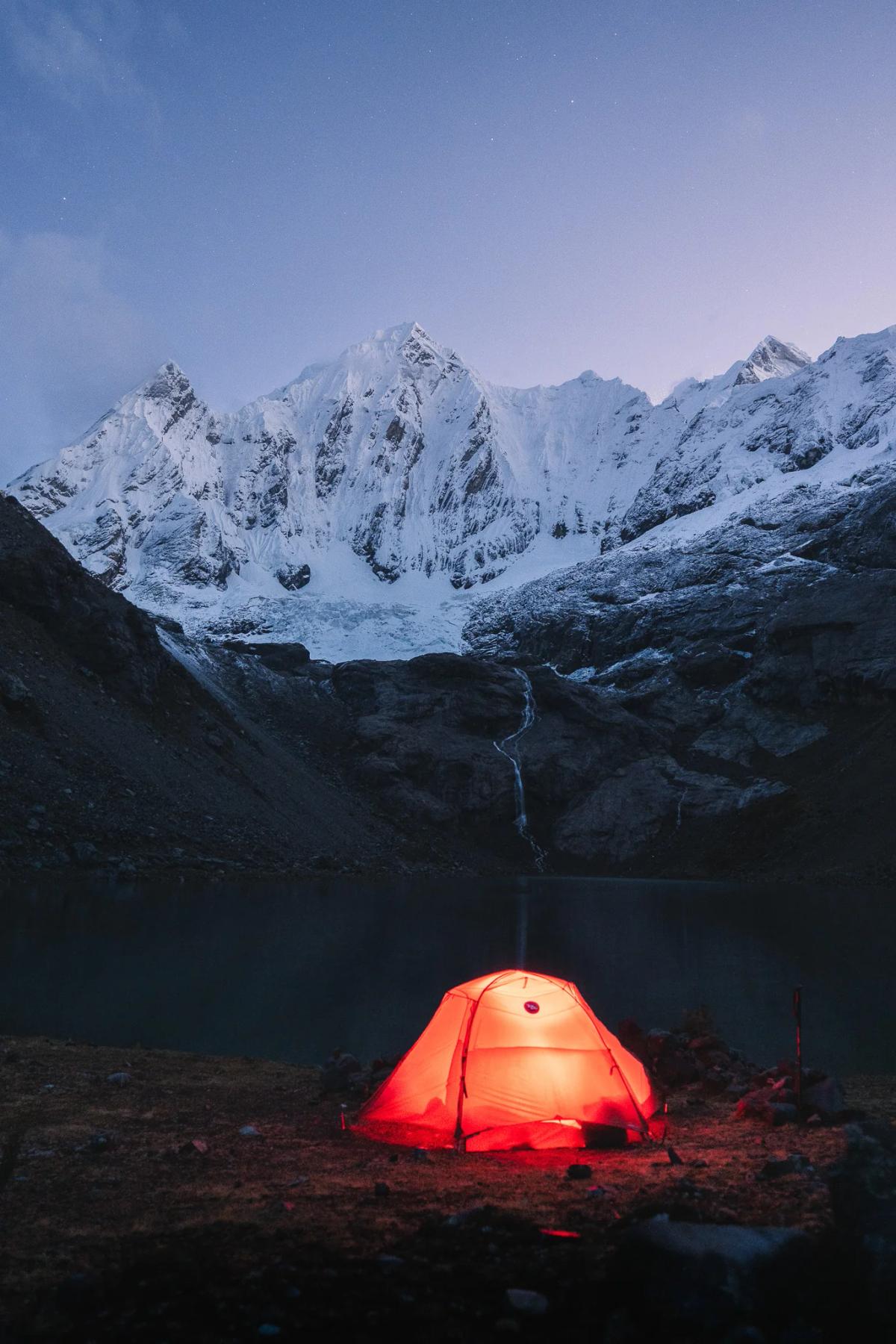
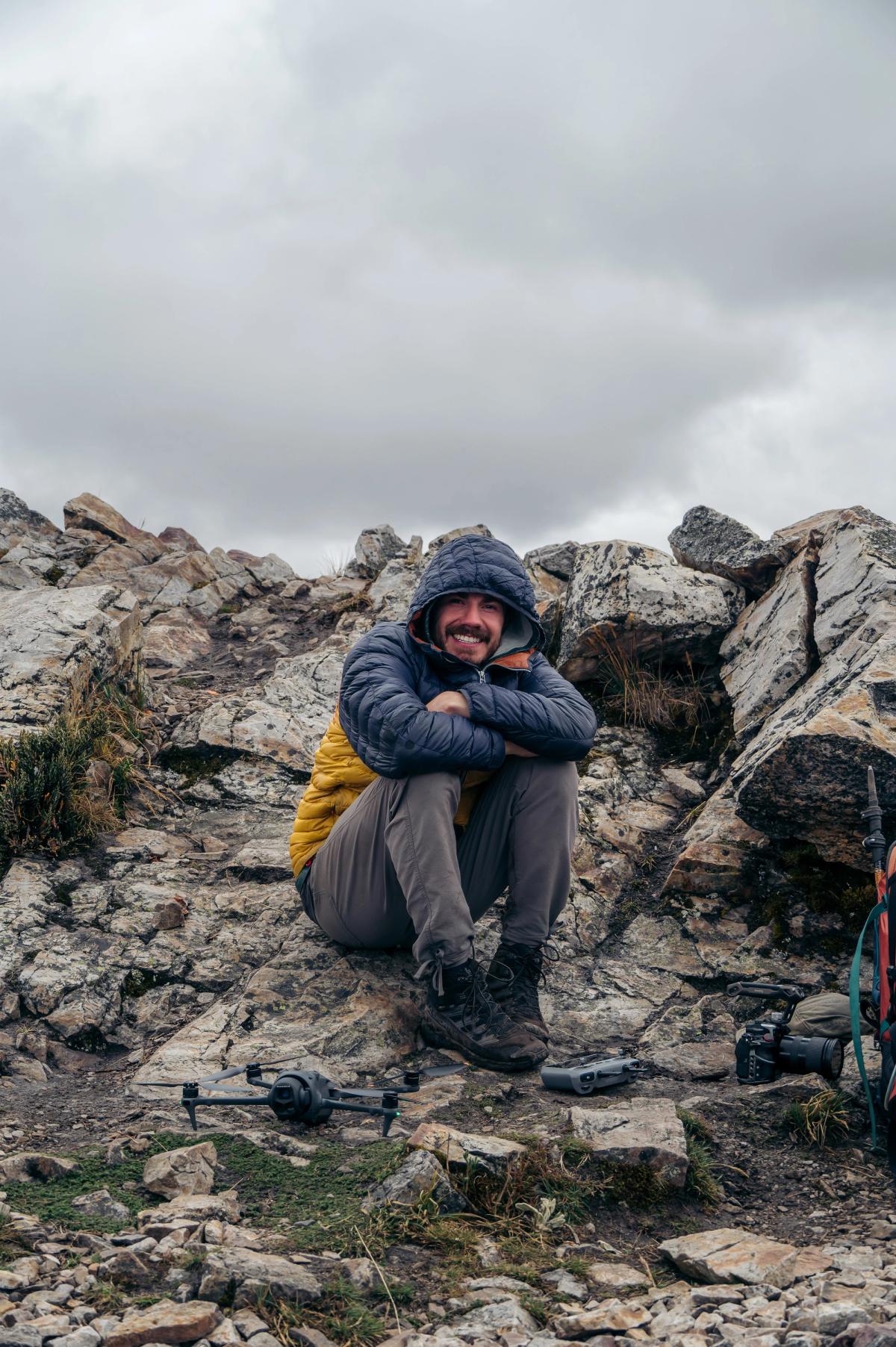
Who Is Matt Stacy? Your Photography Guide in Cusco
I grew up in suburban Chicago and moved west for a career in tech after graduating from Indiana University with a degree in business informatics. Los Angeles, California, is where I discovered my passion for the mountains and started going on long hikes to scenic places as often as possible. I bought my first camera in 2020 and taught myself to use it because I wanted to capture my adventures in a way that would inspire other people.
My first trip to Peru was in 2022. In 8 weeks I saw Nevado Salkantay (the first glaciated mountain I'd ever laid eyes on), trekked all throughout the Cordillera Blanca, and summited my first glaciated mountain. I started to see the vision of the potential life I could live in the Peruvian Andes. Today I live in Peru full-time, speak Spanish, and have spent the years extensively exploring the Cusco region, the Cordillera Blanca and Huayhuash, and the Amazon.
I started Andes Adventure Visuals in 2025 because I wanted to share these places in an authentic way that combines my passions and vision for adventures off the beaten path. That's why my guided photography experiences are operated with small groups, I've built partnerships with the communities where we travel, and I've created itineraries away from the crowds. You can learn more in our story.
What a Day of Guided Photography Looks Like (Workshop)
Every workshop differs slightly, but here's roughly how I operate a single-day workshop in the Sacred Valley. Workshops generally start and end in Urubamba unless we agree on another plan, so plan to stay in the Sacred Valley the night before.
- Pre-dawn pickup. Our private transport will pick you up at your hotel in Urubamba while it's still dark, between about 2:30 and 4:30 a.m. depending on the workshop.
- Sunrise and sunset shoots. Depending on the location we hike to the location with headlamps and set up before first light or in time of sunset. We plan for blue and golden hours because they are essential for capturing the most compelling adventure style and landscape compositions. I'll walk you through what to think about when creating your composition, exposing your image, and how to move around quickly to capture several scenes.
- Breakfast, review, and editing session. We eat breakfast at our shooting location. Then we return to Urubamba and look through your first images together. This is where we'll select your strongest images, learn how to post-process, and have Matt answer your questions.
- Afternoon cultural shoot. We switch to capturing people and culture at the Maras salt mines or Urubamba's central market. Telling a story about a place is much more than its landscapes. Capturing local people and culture will help you tell well-rounded stories from your future travels.
- Wrap up. We finish shooting, and then you'll return back to your hotel around 4pm.
Who Is Guided Photography For?
Guided photography is right for more people than you'd expect. It's a good fit if you are:
- A beginner, even on a phone. Beginners have the most to learn, which is exciting! We'll discuss how to shoot intentionally in the places you visit, what to look for when creating compositions, and how to use your camera/phone as a tool to make better images.
- An enthusiast who wants to level up. You know your camera, but your travel photos don't look like the ones that made you book the trip.
- A professional or serious amateur. If you normally shoot a different genre of photography and want to expand your skills, or you're aiming to grow your portfolio, then a workshop is for you. If you want access to hard-to-reach or unpublicized locations, or to shoot with a local pro who knows when the light is best or how to respectfully interact with locals and take their photos, then a photo tour is for you.
- Someone who wants one-on-one attention. Every workshop can be booked as a private session. When you hire me for a day of guided photography instead of an online photography coach, you receive instant, hands-on feedback throughout the day. You'll immediately apply the feedback and gain instant insight into the results.
- A traveler with one free day in the Sacred Valley. If you have an extra day in your itinerary and don't know what to do with it, a single-day workshop or tour is a good fit. Skip the typical tourist traps and spend a day seeing Peru from my perspective.
- A hotel or tour operator. I work with tour agencies that want to offer photography to their clients. Hotels can improve their client satisfaction by offering my services. See photography for agencies.
A guided photography day covers fewer places than a standard tour because we spend more time in each location. If your goal is to see as many sites as possible in a day, a regular tour is a better fit.
What to Bring and What's Included
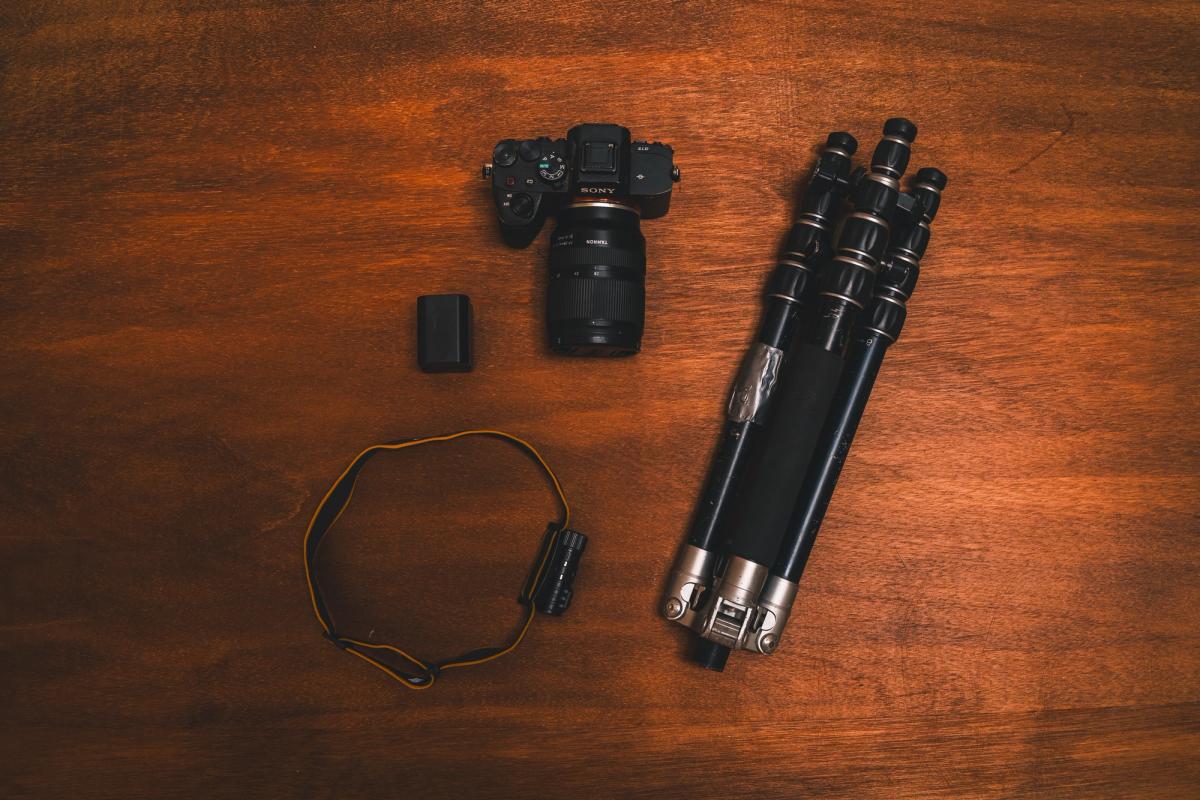
Keep in mind that these are all general recommendations. You do NOT need to go buy a new lens or camera to participate in a guided photography trip with me. If you need any clarification about what to bring, please ask me first. Now, here's what I recommend:
- A camera with manual settings (or a phone for beginner workshops)
- A medium telephoto lens, such as my go-to 28-75mm lens, is recommended.
- A wide-angle lens, approximately 17–28 mm, is recommended. These are best for astrophotography and camp shots at night.
- A telephoto zoom, like a 70–200mm, for compressed mountain scenes and wildlife
- A tripod
- Extra couple of batteries, because the cold can drain them
- Memory cards and a cheap microfiber lens wipe that's sitting around your house
- We can use my laptop with Lightroom for workshop editing sessions. Bring yours if you prefer.
- Appropriate layers of clothing, light raincoat. Mornings in the Sacred Valley are chilly, especially in June and July.
Don't have everything on the list? Bring what you have. I'll work with your setup, and I can recommend rentals.
Best Time of Year for Guided Photography in Peru
There's no single best time. The dry season, from late May through August, gives you clear skies and great conditions for astrophotography and capturing Peru's mountain landscapes. One of my favorite times is the shoulder seasons, from late March through April and from September through December. The valleys are green, the clouds create dramatic scenes, and the region is generally quieter. The rainy season, from December to early March is unpredictable; however, waterfalls are fuller, trails are empty, and you'll have a chance to find new compositions. I wrote a breakdown in the best time of year for photography in Peru.
Guided Photography in Cusco with Matt Stacy: Frequently Asked Questions
Do I need photography experience?
No. Workshops are built for every level, including beginners shooting on a phone. Tours and expeditions are a better fit if you care more about making great photos in Peru and not learning photography skills.
How many people are in a group?
Single-day workshops have a maximum of four participants, tours up to six, and expeditions up to ten. I limit group sizes so that nobody has to compete for the "best" position and I can give everyone one-on-one attention. Any workshop, tour, and expedition can be booked as a private experience.
Will the altitude be a problem?
Cusco is about 11,150 feet (3,400 meters) above sea level. The Sacred Valley is much lower, around 9,400 feet (2,870 meters). Most people feel fine in the valley after a day or two. I recommend arriving in the Sacred Valley/Cusco at least two nights before any trip.
What happens if the weather is bad?
Mountain weather in the region is sometimes unpredictable. We'll shoot, rain or shine, unless it is unsafe to do so. I have captured some of my favorite images in conditions that initially appeared terrible.
How do I book?
Send me a message through the contact page. Once we confirm your date, a 50% deposit will secure the trip. If you book a single-day itinerary within 60 days of your date, you must pay the full price at the time of booking. Full details are in the booking terms and cancellation policy.
Book Guided Photography in Cusco and the Sacred Valley
The best way to start is to tell me what your goals and intentions are. Email me at hello@andesadventurevisuals.com or message me at +51 973 137 403 on WhatsApp.
In the meantime, download my free Lightroom preset pack (three presets built for alpine scenes) from the sign-up form at the bottom of this page, and browse the gallery to see what I've been shooting in Peru.